
This film is certified 12
Contains moderate threat and sexual violence references
Free 14-day trial, then just £6.99 per month.
Please enter a valid email address
By entering your email address you are indicating that you have read and agree to the terms of use and privacy policy.
Free 14-day trial, then just £6.99 per month.
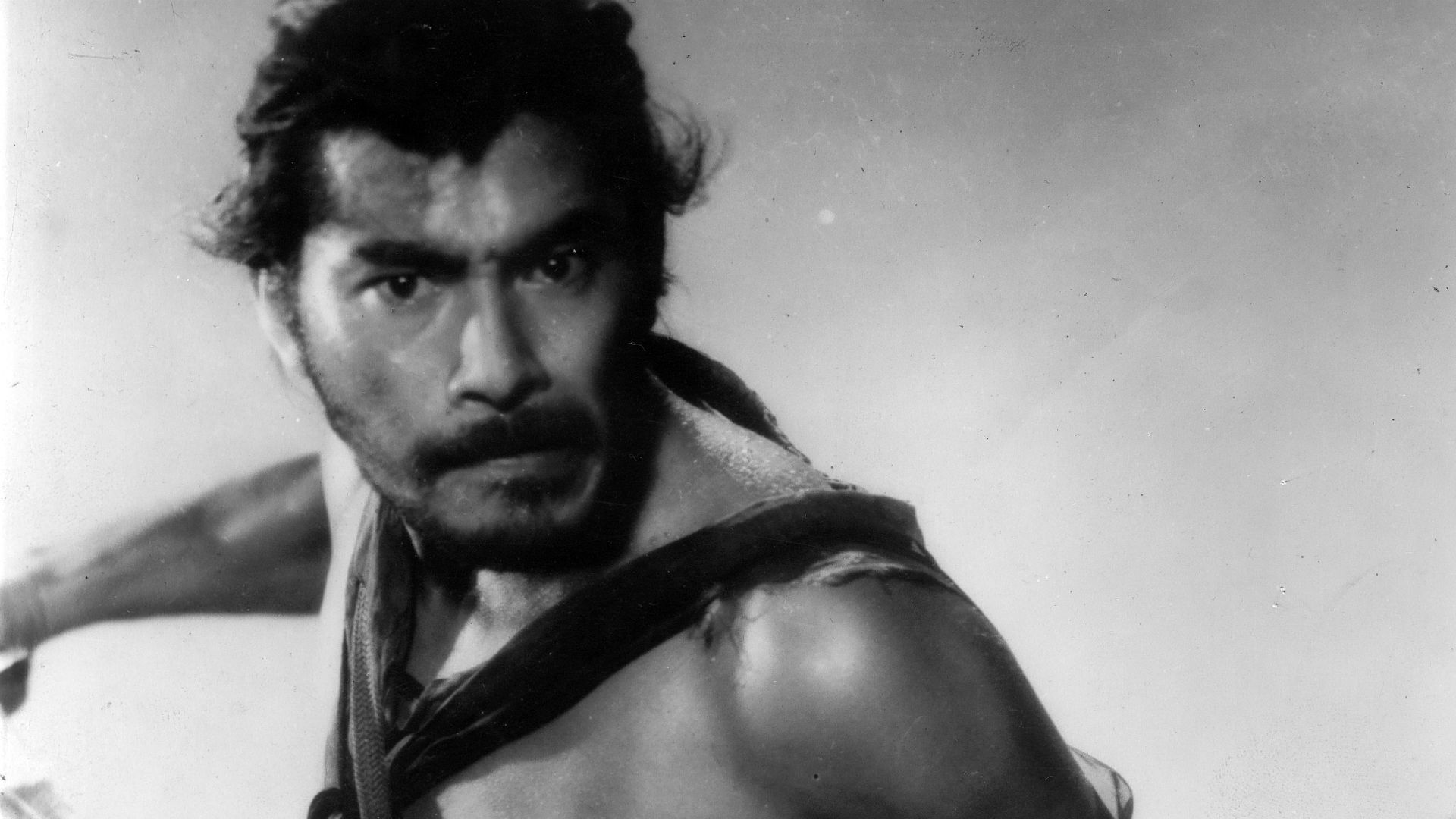
Credited with bringing Japanese cinema to worldwide audiences, Akira Kurosawa’s breakthrough tells the story of a murder in the woods from four differing perspectives.
Credited with bringing Japanese cinema to worldwide audiences, Akira Kurosawa’s breakthrough tells the story of a murder in the woods from four differing perspectives.
The word ‘Rashomon’ has passed into the English language to signify a narrative told from various, unreliable viewpoints. In this case, the mystery relates to the murder of a samurai and the rape of his wife in 11th century Japan, events which are relayed in wildly differing versions by those present: the bandit, the treacherous wife, a passing woodcutter and the spirit of the dead samurai. This radically non-linear structure, with its profound implications about the fallibility of perspective, impressed judges at the 1951 Venice Film Festival. They awarded Akira Kurosawa’s film the Golden Lion, helping to encourage a broader interest in Japanese film in the west. With its snaking bolero-like score and poetic use of dappled forest light, Rashomon is a work of enduring ambiguity. Ranked joint 41st in the 2022 Sight and Sound Great Films of All Time poll
Contains moderate threat and sexual violence references
Contains moderate threat and sexual violence references