
This film is certified 15
Free 14-day trial, then just £6.99 per month.
Please enter a valid email address
By entering your email address you are indicating that you have read and agree to the terms of use and privacy policy.
Free 14-day trial, then just £6.99 per month.
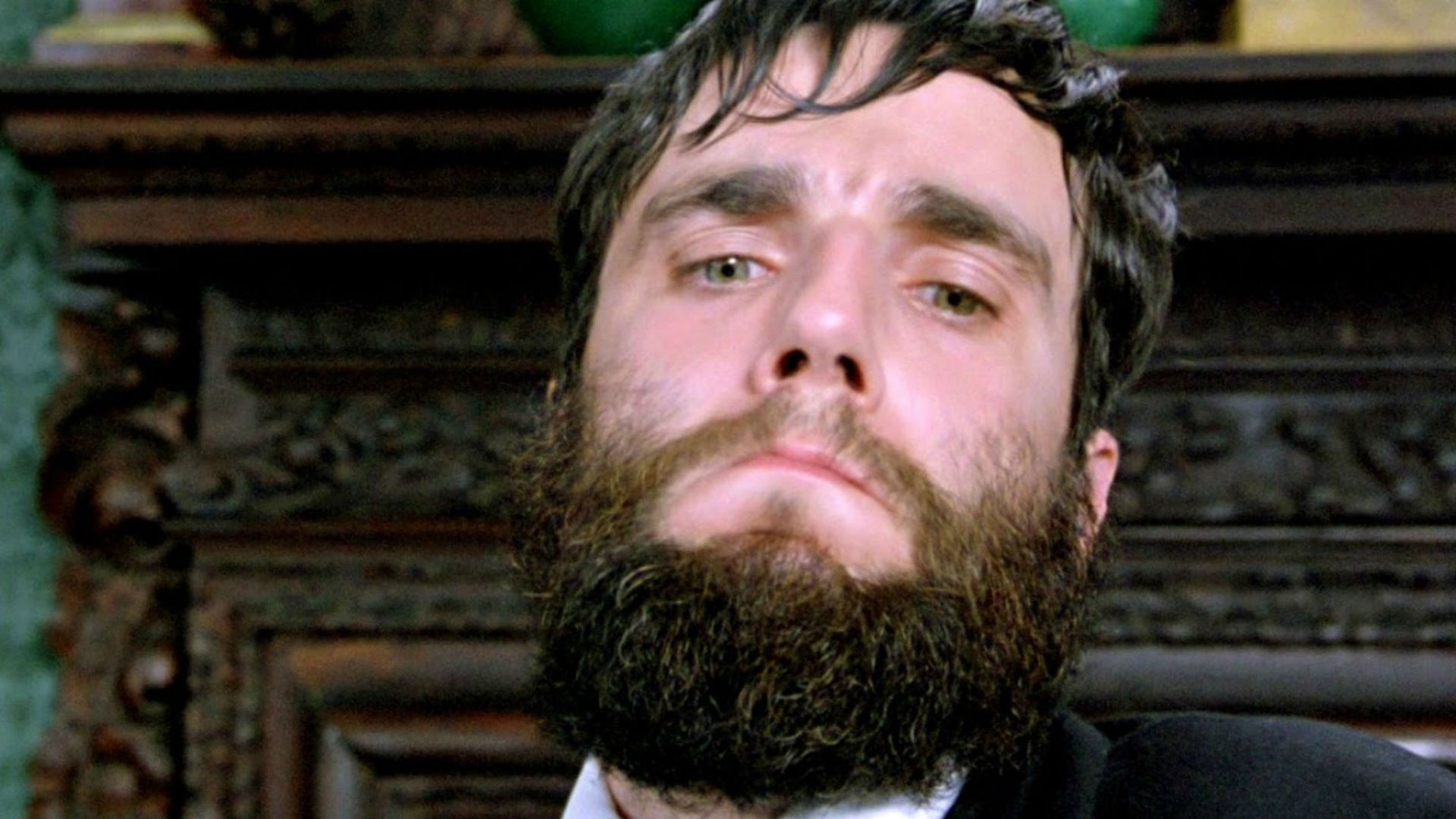
Daniel Day-Lewis won an Oscar for his extraordinary performance as Christy Brown, the disabled Dubliner who became a writer and painter.
Jim Sheridan's Oscar-winning drama adapts the memoir of Christy Brown, the Dubliner who transcended an impoverished upbringing and cerebral palsy to become an acclaimed novelist, poet and painter. Recounting the story of how Brown overcome extreme immobility to become a serious artist, despite only having control of the use of his left foot, it’s the first of Sheridan’s three hugely successful collaborations with Daniel Day-Lewis, who won an Oscar for his efforts.
While there is no doubt about the quality of Day-Lewis' epic performance, a debate continues around the representation of disabled characters by non-disabled actors. Similar to the arguments and discussions around white actors "blacking up" with an eye to Oscar glory, some disabled actors and activists feel strongly that disability on screen and stage should only be represented by disabled people. Others argue that only attractive and well-known "star names" can bring disability-related stories to a mainstream cinema audience. But it's not just the Day-Lewis show. Sheridan vividly brings to life mid-20th-century Dublin and Brenda Fricker also deservedly won an Oscar, picking up Best Supporting Actress for her feisty turn as Brown’s resolute mother, Bridget.