Historic Mutiny Sites
Free 14-day trial, then just £6.99 per month.
Please enter a valid email address
By entering your email address you are indicating that you have read and agree to the terms of use and privacy policy.
Free 14-day trial, then just £6.99 per month.
Get 14 days free
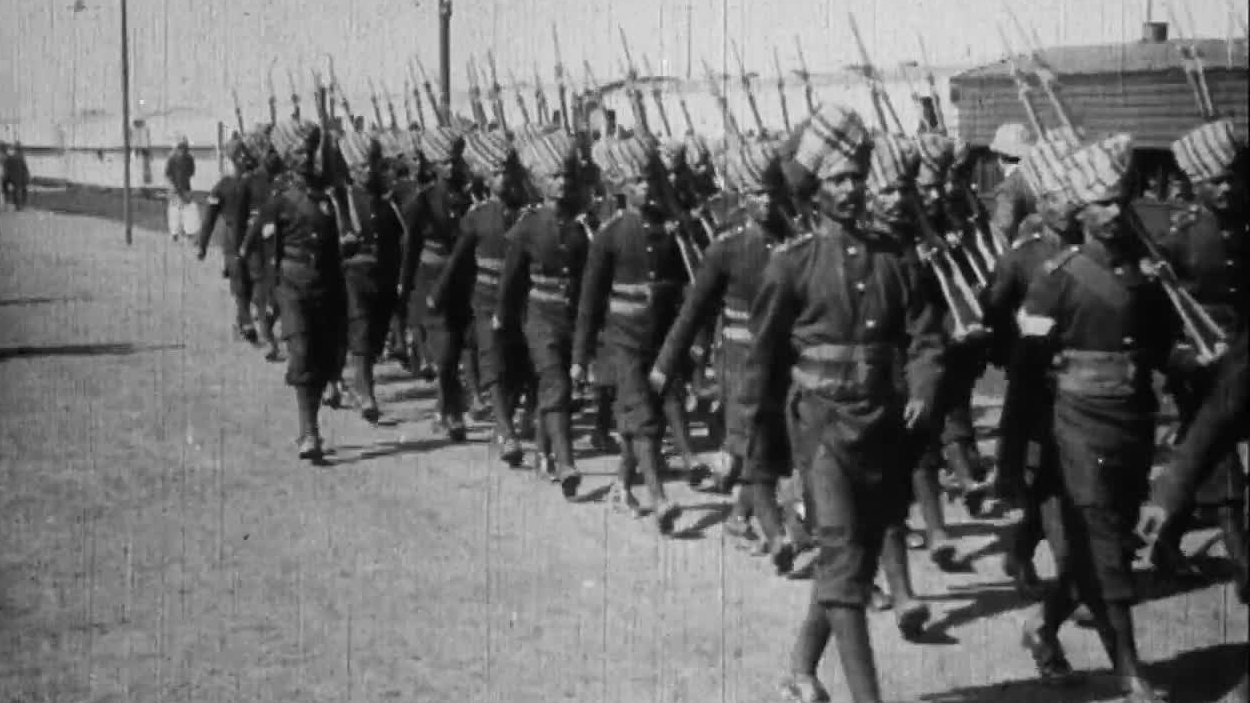
Sixty years after the event, this travelogue indicates the continued potency of the Indian Mutiny to the British in India.
We have no information about the makers of this travelogue, but it clearly illustrates the interest of the British in the story of the Indian Mutiny of 1857 nearly 60 years after the event. The tradition of showing sites of the mutiny began with the event itself as Felix Beato, the Italian photographer, followed Sir Colin Campbell and his troops in the relief of Lucknow. His photographs showed the scenes of devastation following the relief of the siege including animal bones and several human bodies which he had disinterred specially to add realism. Newspaper articles, photos and engravings showed the important locations such as the Kashmir Gate in Delhi, the well of the martyrs, Kanpur and the ruined rooms of the Lucknow residency.