This film is not rated
Free 14-day trial, then just £6.99 per month.
Please enter a valid email address
By entering your email address you are indicating that you have read and agree to the terms of use and privacy policy.
Free 14-day trial, then just £6.99 per month.
The third part of Martin Scorsese's 'personal journey' through American Cinema
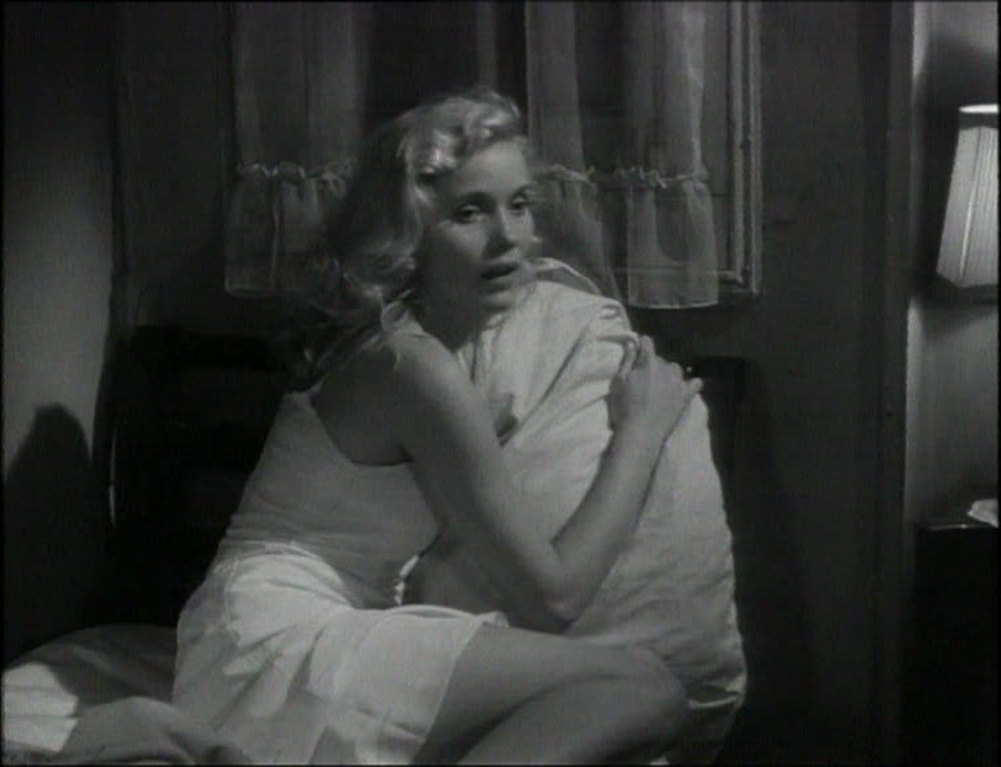
In the last part of Martin Scorsese's history of American cinema, he examines filmmakers who hid subversive or dangerous ideas within their movies, such as Nicholas Ray with Bigger Than Life and Orson Welles with Citizen Kane.
Using as his starting point the film industry's perennial antagonism between art and commerce, Scorsese structures his journey in different chapters, starting with this antagonism which he styles the "Director's Dilemma". He examines strategies adopted by directors for dealing with the problem, first considering the primary role of the "Director as Storyteller", then highlighting the director as "Illusionist", "Smuggler" and "Iconoclast". Under these chapter headings, he features and analyses the works of filmmakers from D.W. Griffith and F.W. Murnau, Jacques Tourneur and Sam Fuller, John Cassavetes and Stanley Kubrick. Illustrated with numerous extracts from a wide range of films, including classics of the silent era (`Intolerance' and `The Crowd') and exemplars of the major American genres: westerns (from `The Searchers' to `Unforgiven'), musicals (Busby Berkeley to `All That Jazz') and gangster films (`Public Enemy' to `Point Blank'). Mould-breaking masterpieces are also saluted, including `Sunrise' `Citizen Kane' and `2001 - A Space Odyssey'.